

Fellow Data Tinkerers
It’s time for another round-up on all things data and AI!
But before that, I wanted to share with you what you could unlock if you share Data Tinkerer with just 1 more person.
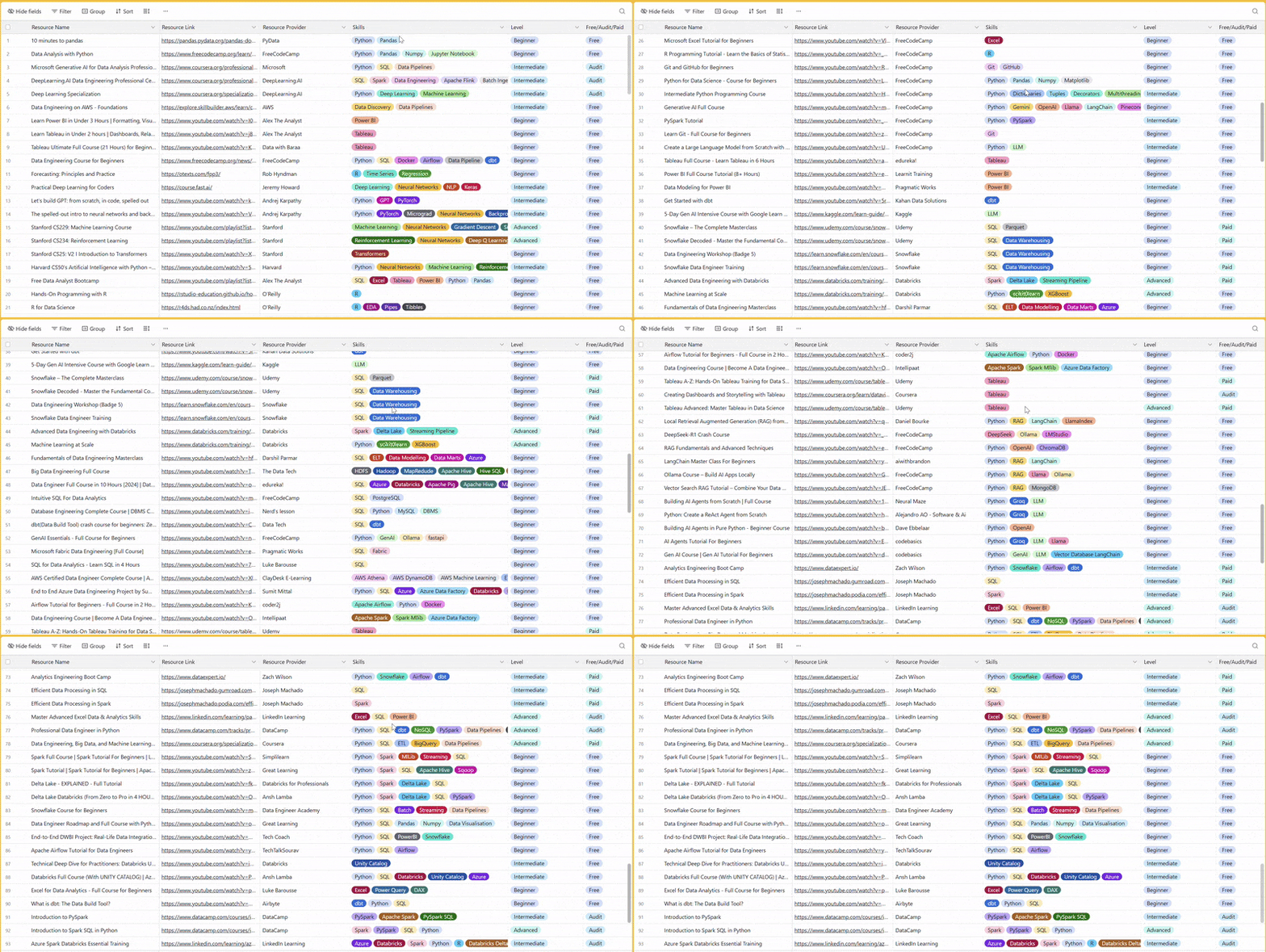
There are 100+ resources to learn all things data (science, engineering, analysis). It includes videos, courses, projects and can be filtered by tech stack (Python, SQL, Spark and etc), skill level (Beginner, Intermediate and so on) provider name or free/paid. So if you know other people who like staying up to date on all things data, please share Data Tinkerer with them!
Without further ado, let’s get to the round up for September!
Data science & AI
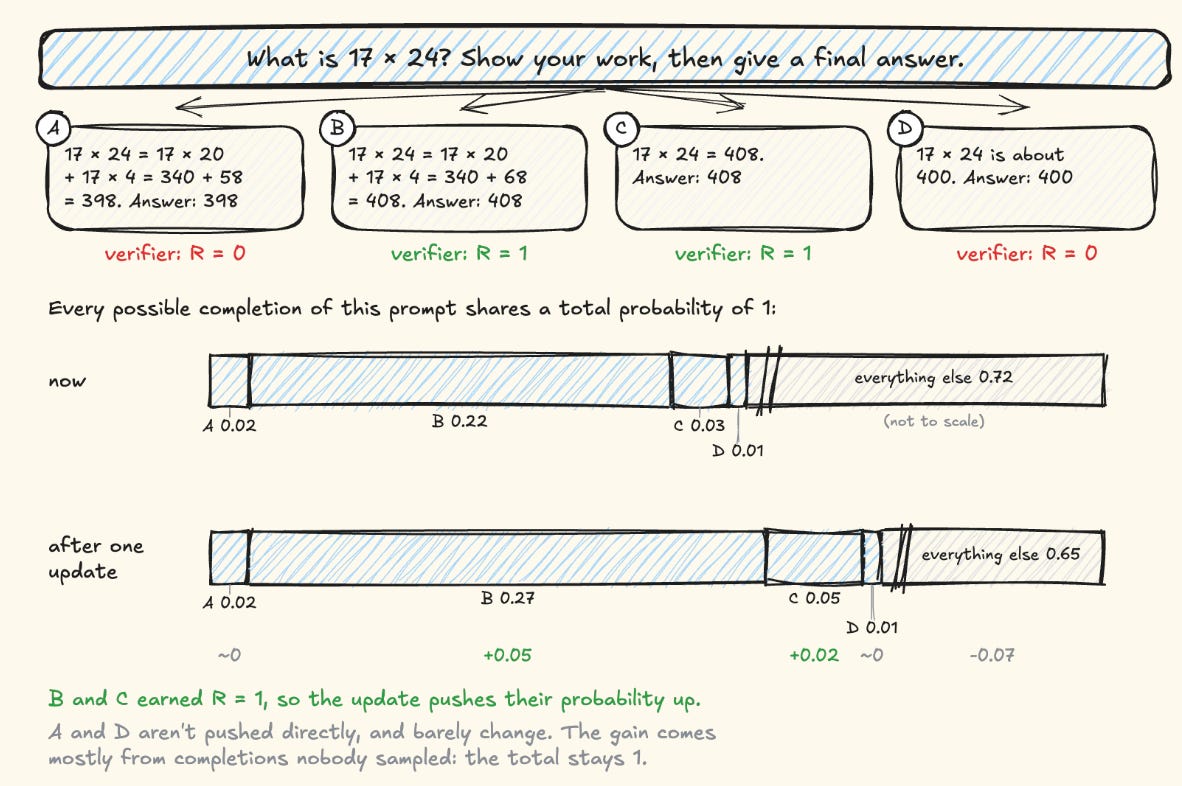
Policy Gradient for LLMs, Explained Visually (21 minute read)
Tyler Romero builds policy gradients from token probabilities and rewards, using visual examples to explain REINFORCE and variance reduction.
LLM Classification Is Feature Engineering (15 minute read)
Taylor Pospisil demonstrates how treating LLM outputs as features restores calibration, threshold control and the ability to combine text with structured data.Learning to Solve Hard Problems in RL for LLMs by Never Giving Up (14 minute read)
Michael Noukhovitch shows how aggregate reinforcement-learning scores can hide stalled progress on hard problems and explores reallocating training effort towards them.Language Models for Text Classification: From Bag-of-Words to Jev (40 minute read)
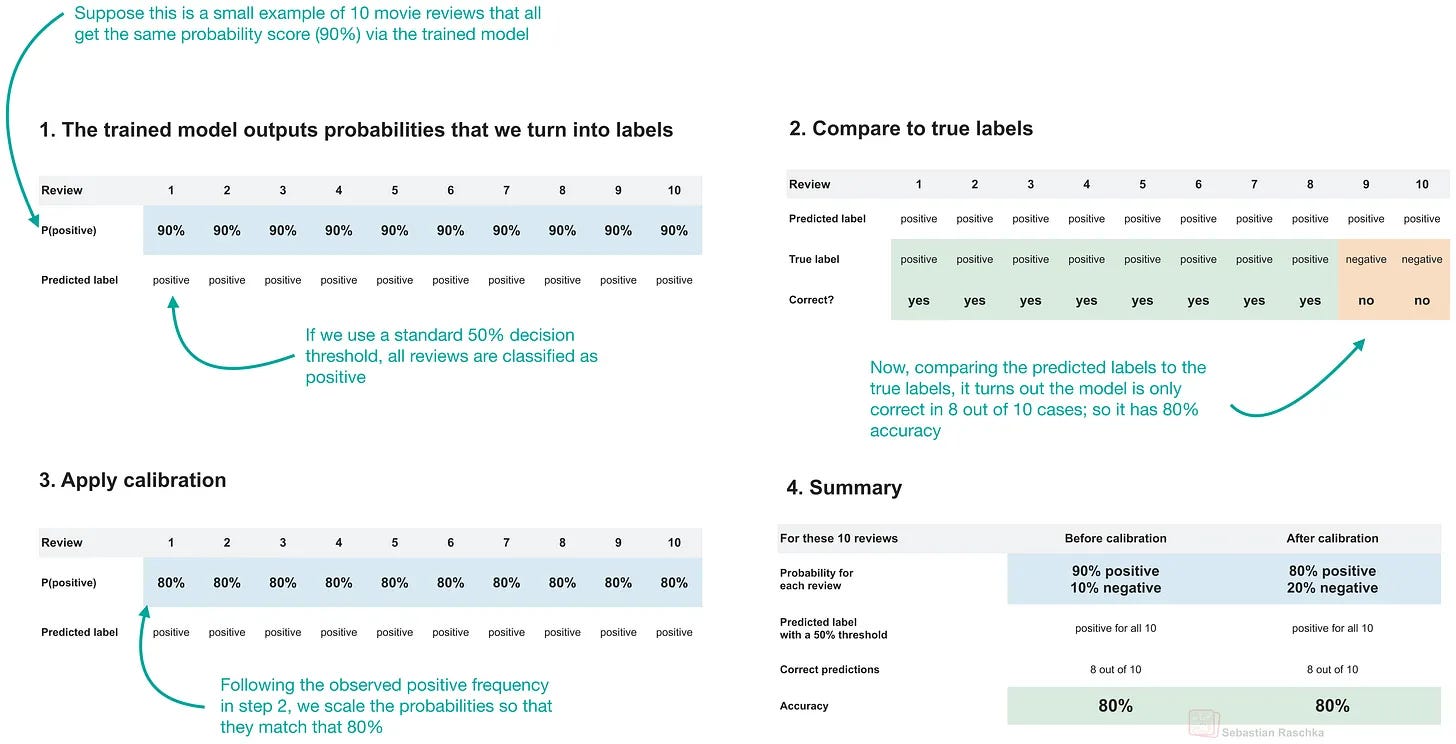
Sebastian Raschka, PhD traces text classification from bag-of-words to transformers and decision models, explaining architectural choices and why probability calibration matters.
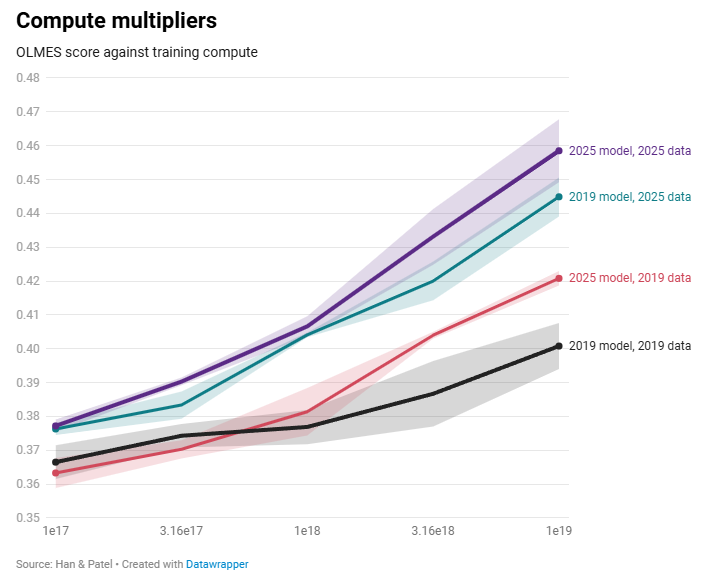
Pretraining progress is mostly coming from data (15 minute read)
Dwarkesh Patel and Jerry Han compare training recipes and datasets to examine how much recent pretraining progress comes from better data.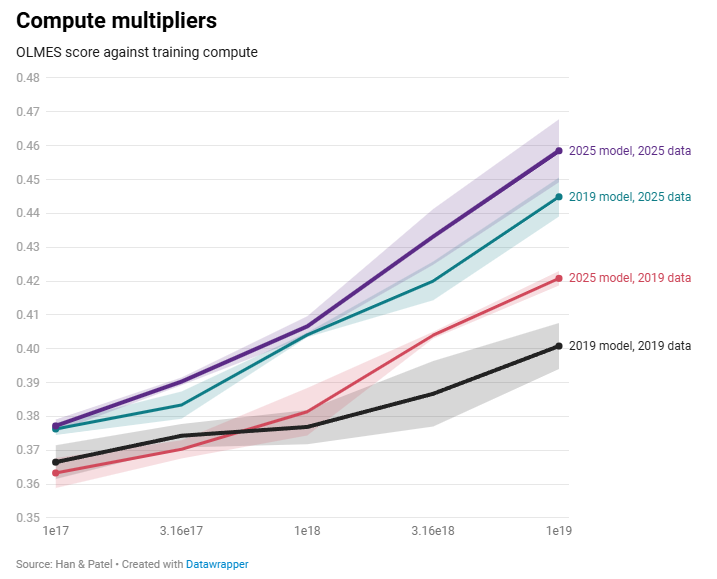
Issue #70 – The Debt AI Creates (16 minute read)
Interesting article by Dylan Anderson examining how inherited context, unreviewed outputs and unreliable agent memory create AI debt and what can be done about it.Swarm Scaling (10 minute read)
Toby Ord analyses published agent-swarm results to separate speed gains from compute efficiency and examine diminishing returns as swarms grow.I Asked 100 Agents to Hack Me (9 minute read)
Shrivu Shankar reports a personal red-team experiment with autonomous agents, highlighting account-security weaknesses and the limits of stopping activity by shutting down inference.
Data engineering
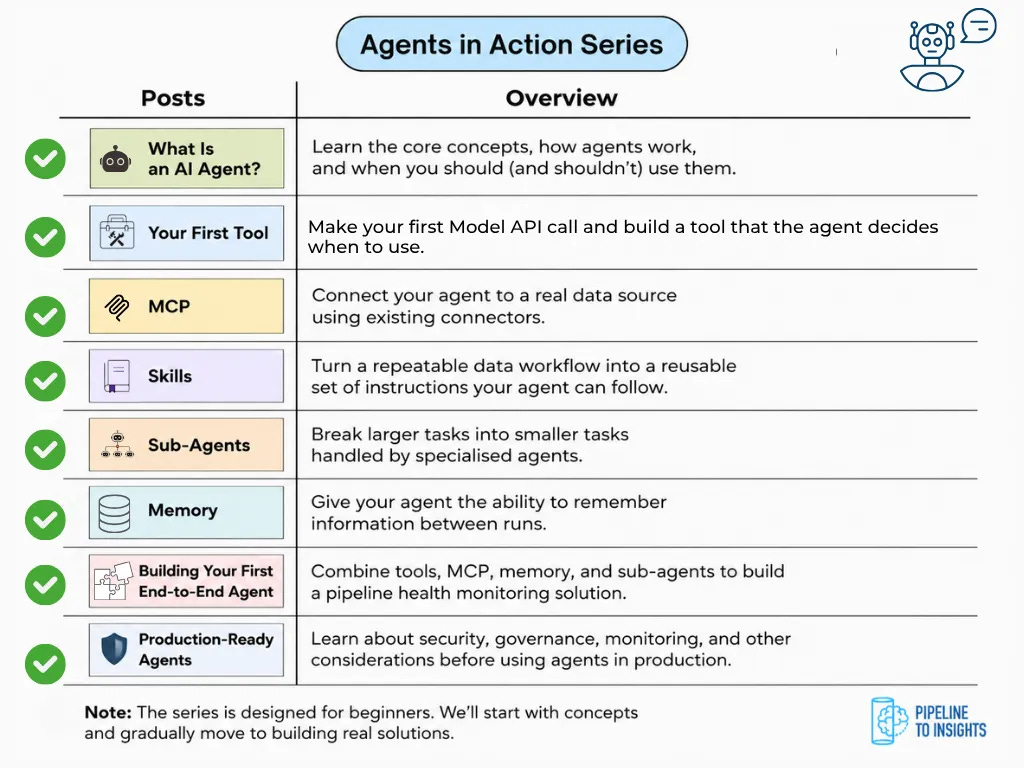
Agents in Action #8: What Makes an AI Agent Production-Ready? (21 minute read)
Erfan Hesami sets out the identity, permissions, lifecycle controls and observability needed to move an agent from a local demonstration into production.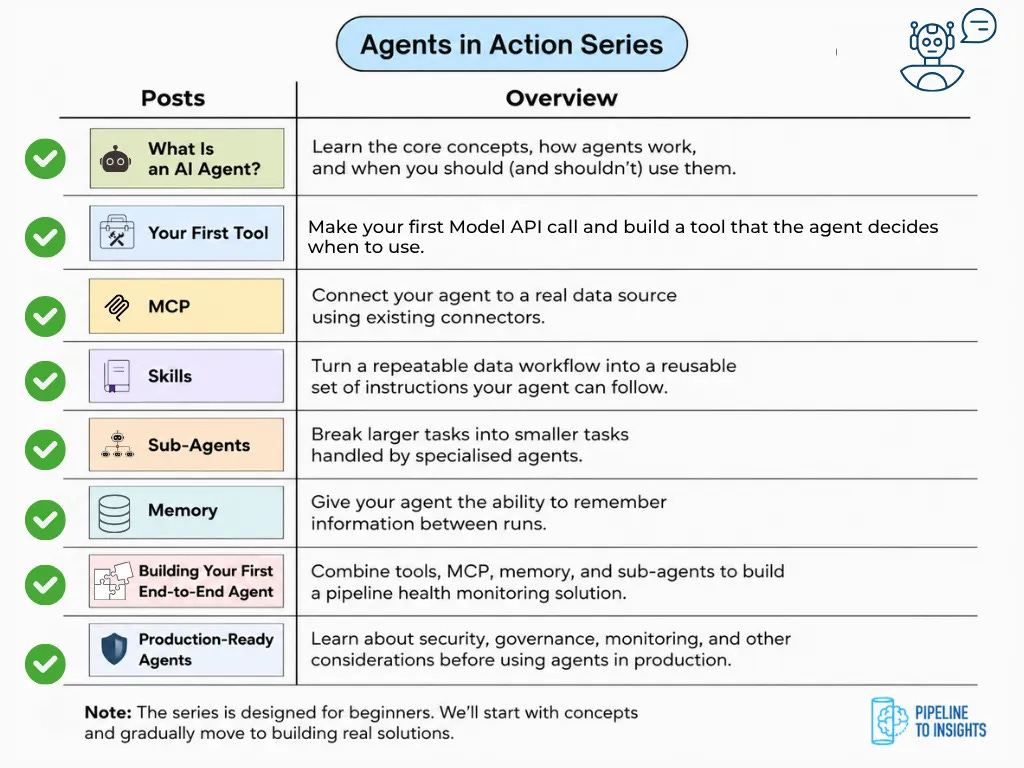
The unbearable lightness of one more index (16 minute read)
Radim Marek measures the combined write, storage and maintenance costs of otherwise reasonable AI-generated PostgreSQL indexes.Ten years of Postgres logical replication (30 minute read)
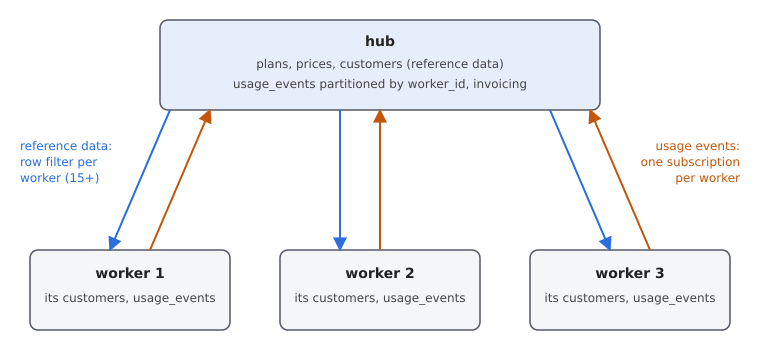
Dimitri Fontaine builds a reproducible hub-and-workers architecture to explain PostgreSQL logical replication, including routing, identifiers, conflicts and operational limits.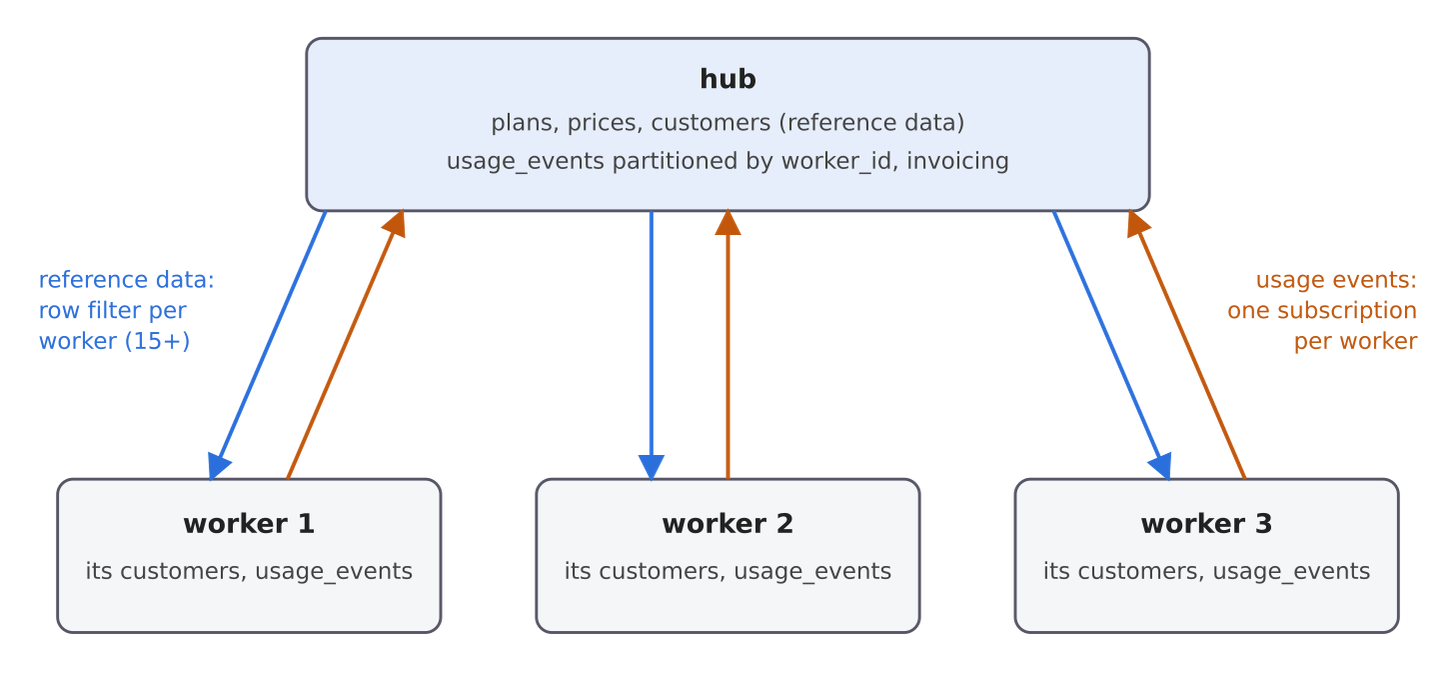
Training a 4B model to produce 81% faster query plans than Postgres (70 minute read)
Rohan Bansal documents training a small model to propose faster PostgreSQL query plans, including the harness, timing controls and reward-design lessons.
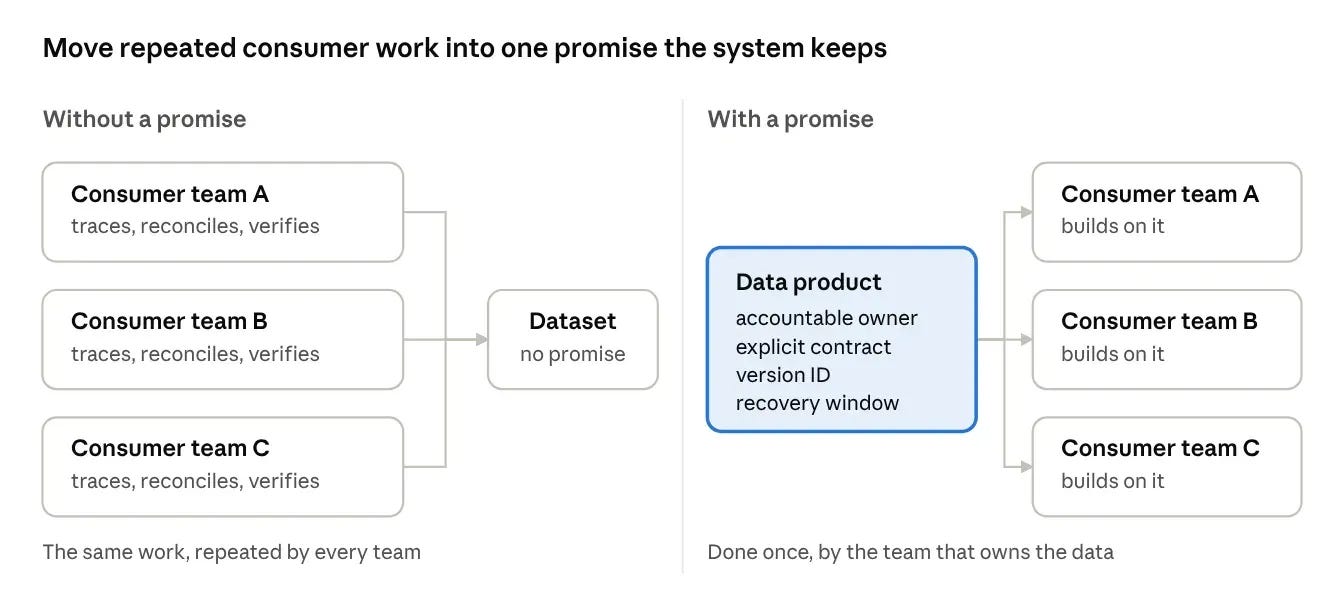
Thinking Like a Data Architect (10 minute read)
Ananth Packkildurai explains how explicit ownership, publication contracts, metric definitions and recovery promises reduce repeated work for data consumers.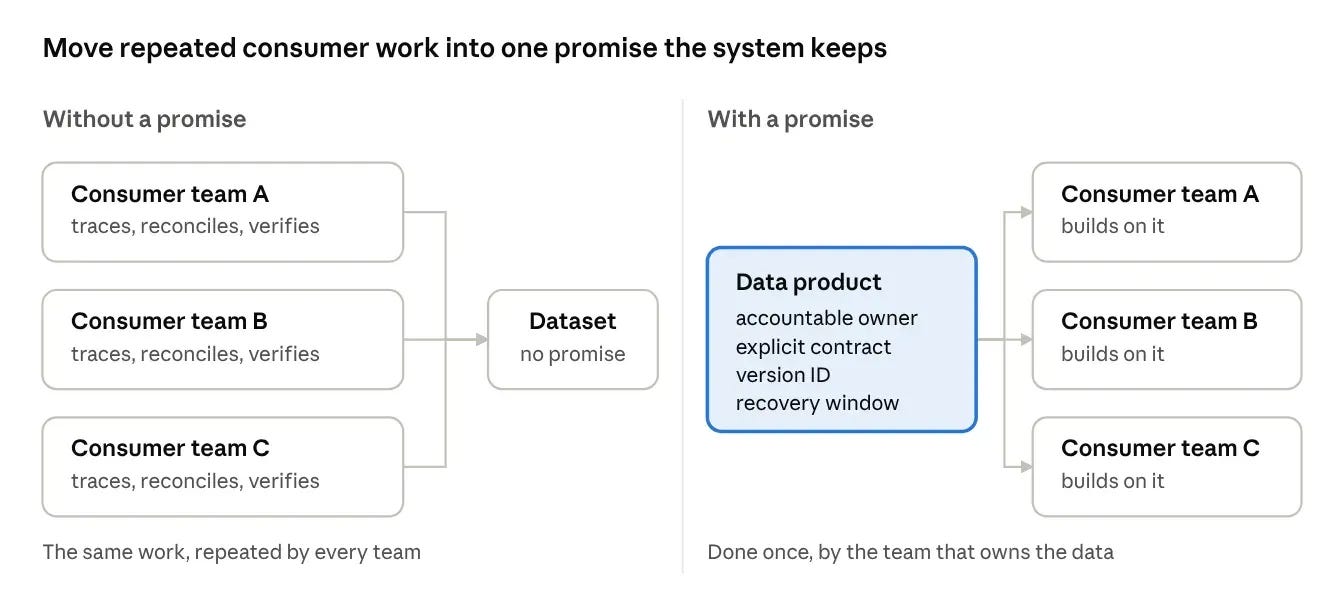
One round trip beats a thousand, and your batch API probably is not batching (6 minute read)
Ankit Rana explains how driver settings, transaction boundaries and bulk-loading methods determine whether batching actually reduces database round trips.Streaming Events to DuckLake (7 minute read)
Matt Martin builds a local Kafka and Flink pipeline that transforms events and writes them into DuckLake, with supporting code for reproduction.Do You Actually Need Real-Time Data? (9 minute read)
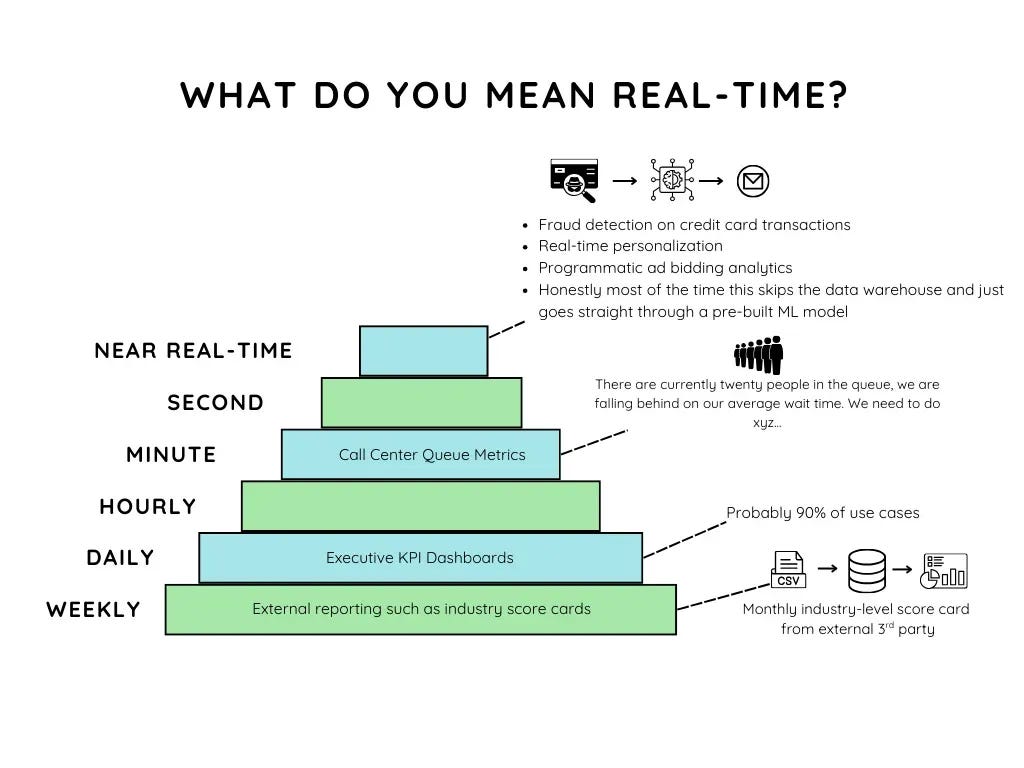
SeattleDataGuy connects data freshness to the timing of business decisions, helping teams judge when real-time infrastructure is worth its operational cost.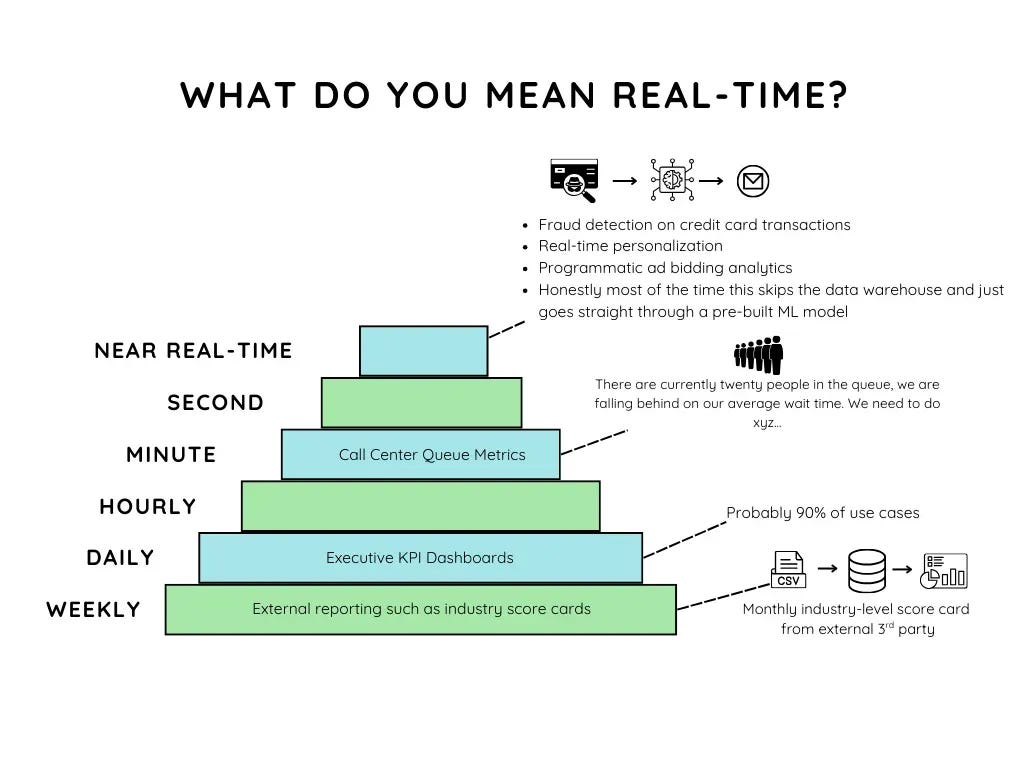
This Year’s Better Mousetrap: New Tech, Same Old Problems, and The Semantic Swamp (4 minute read)
Joe Reis argues that new data tools cannot resolve disagreements about meaning, ownership and business decisions without organisational work.Back to the Basics. Threads. (13 minute read)
Daniel Beach revisits concurrency through a Rust data-processing example, showing why understanding execution and shared work still matters when agents write code.

Data analysis and visualisation
Sample size needed for central limit theorem to kick in (10 minute read)
Peter Ellis uses simulations to show why heavily skewed distributions can require far larger samples than familiar central-limit-theorem rules of thumb suggest.Why fitting a logistic is nearly impossible from early data (3 minute read)
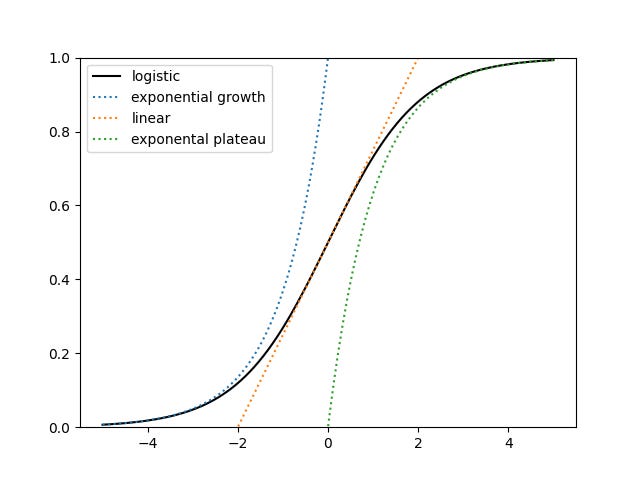
John D. Cook demonstrates why small errors in early observations can produce extreme changes in a logistic curve’s estimated eventual limit.
Other interesting reads
AI Is Making Us Build Too Much (12 minute read)
Simon Green examines how cheap AI-generated code, documentation and rules create lasting maintenance costs and argues for judging whether each addition deserves to exist.Starting a Career in Data Science in the Age of AI (9 minute read)
Stephanie Kirmer argues for broad fundamentals, critical judgement and adaptable problem-solving when planning a data-science career around uncertain technological change.The €2.4M Slide That Got Rejected in 4 Minutes (5 minute read)
John Wernfeldt explains how to preserve concrete operational costs and ownership risks when presenting a data-governance business case to executives.
Quick favor - need your take
Was there any standout article or topic from September I missed? Feel free to drop a comment or hit reply, even a quick line helps.
If you are already subscribed and enjoyed the article, please give it a like and/or share it others, really appreciate it 🙏
Keep learning
What the Data Crowd Was Reading in July 2026

It’s time for another data/AI roundup and here are the highlights from July👇
𝐃𝐚𝐭𝐚 𝐒𝐜𝐢𝐞𝐧𝐜𝐞 & 𝐀𝐈
What makes Kimi K3’s architecture efficient
Why post-training is the cheaper path to better open models
How self-evolving agents learn from experience
𝐃𝐚𝐭𝐚 𝐄𝐧𝐠𝐢𝐧𝐞𝐞𝐫𝐢𝐧𝐠
Choosing between multithreading and multiprocessing
Why data teams spend so much time firefighting
The cost of designing systems for scale too early
𝐃𝐚𝐭𝐚 𝐀𝐧𝐚𝐥𝐲𝐬𝐢𝐬 & 𝐕𝐢𝐬𝐮𝐚𝐥𝐢𝐬𝐚𝐭𝐢𝐨𝐧
Why organisational problems often undermine AI analysis
How Bayesian methods can automate manual data analysis
Plus: how AI is dividing the tech workforce and why clear thinking matters more than appearing smart.
What the Data Crowd Was Reading in June 2026

It’s time for another data/AI roundup and here are the highlights from June👇
𝐃𝐚𝐭𝐚 𝐒𝐜𝐢𝐞𝐧𝐜𝐞 & 𝐀𝐈
Why AI systems need different monitoring than web services
How to tell when something is actually a RAG problem
Why stateful swarms may make agents cheaper and smarter
When trees still beat tabular foundation models
Why running local models is finally practical
𝐃𝐚𝐭𝐚 𝐄𝐧𝐠𝐢𝐧𝐞𝐞𝐫𝐢𝐧𝐠
Why vibe coding is risky but agentic engineering can work
How to build a simple, bulletproof data pipeline
Broker-visible vs client-local parallelism
Basic Spark concepts worth knowing first
Why data fundamentals matter more than ever in 2026
𝐃𝐚𝐭𝐚 𝐀𝐧𝐚𝐥𝐲𝐬𝐢𝐬 & 𝐁𝐈
Why data quality depends on the decision it supports
Why general AI models still struggle with data analysis
What the Tableau exodus says about the future of BI
Plus: why AI hurts big consulting more than specialist expertise and practical advice for junior data candidates trying to stand out in a brutal job market.