

Fellow Data Tinkerers
It’s time for another round-up on all things data and AI!
But before that, I wanted to share with you what you could unlock if you share Data Tinkerer with just 1 more person.
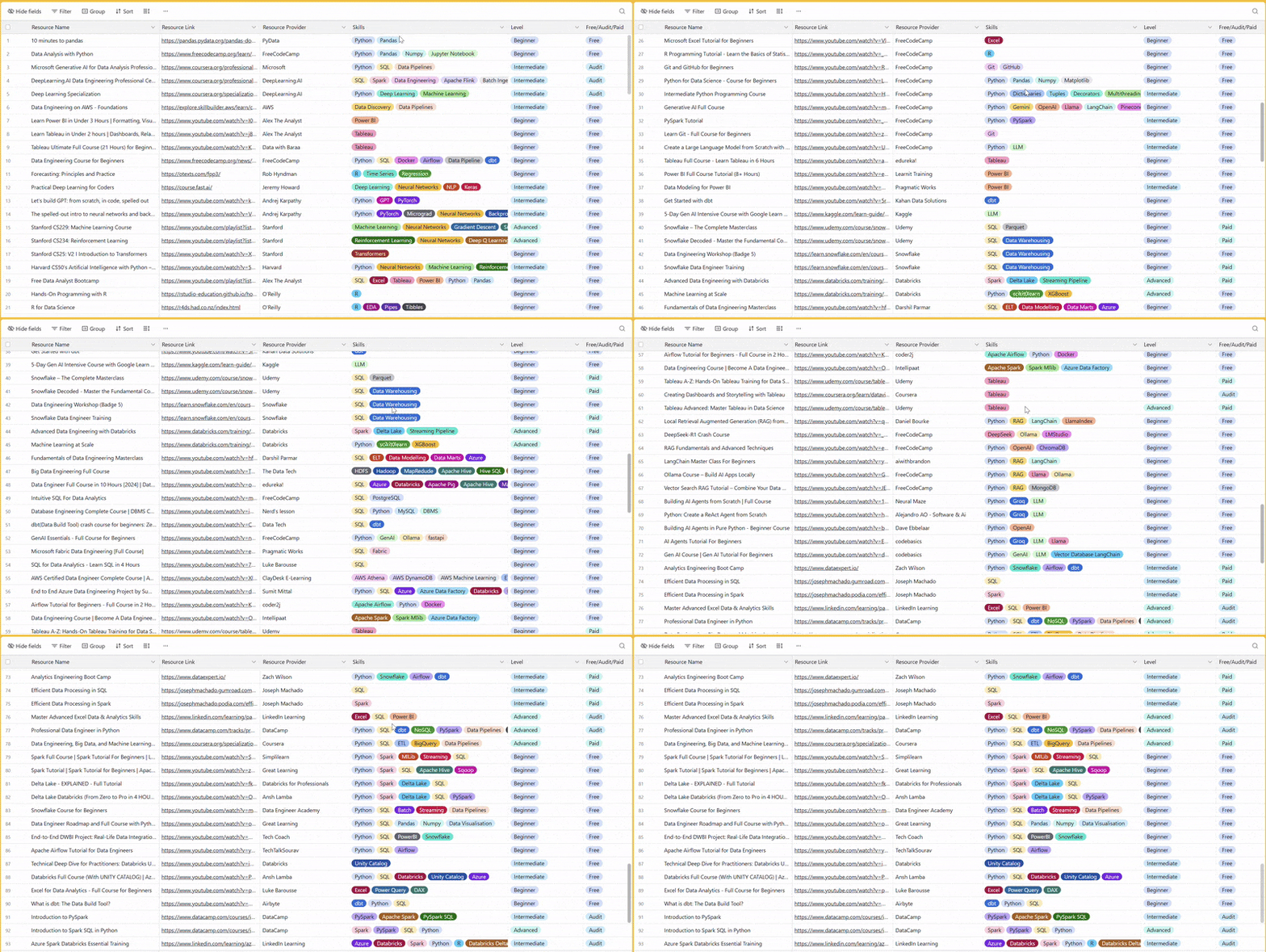
There are 100+ resources to learn all things data (science, engineering, analysis). It includes videos, courses, projects and can be filtered by tech stack (Python, SQL, Spark and etc), skill level (Beginner, Intermediate and so on) provider name or free/paid. So if you know other people who like staying up to date on all things data, please share Data Tinkerer with them!
Without further ado, let’s get to the round up for October!
Data science & AI
AI Skills Data Scientists Need in 2027 (From 7K+ Job Postings) (12 minute read)
Andres Vourakis analyses 7,756 unique job postings to separate widely requested AI skills from changing tool demand, seniority effects and production expectations.
What’s a Decision Model? (8 minute read)
Sam Schneider contrasts decision models with generative LLMs and conventional classifiers, including the speed, cost, calibration and interpretability trade-offs.
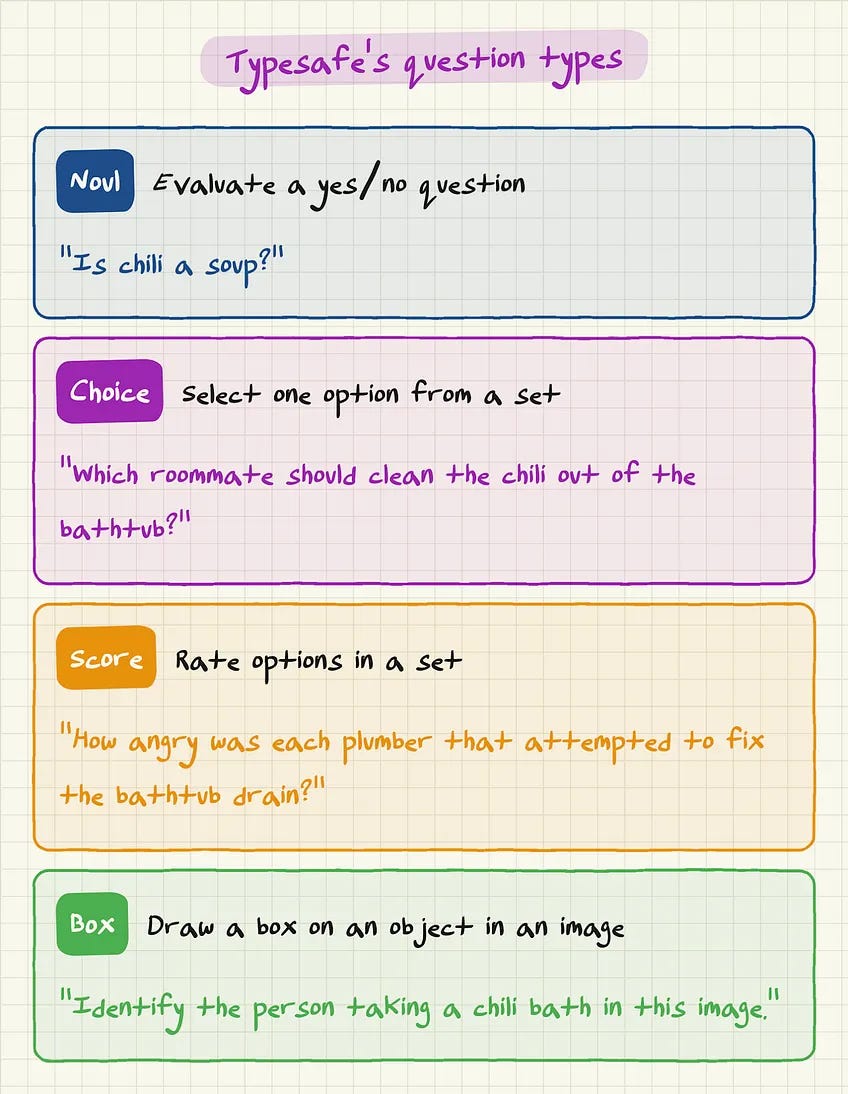
How to Prepare Your Codebase for AI Coding Agents (12 minute read)
Erfan Hesami turns agent-ready coding advice into a concrete setup covering repository instructions, scoped context, planning documents and validation steps.
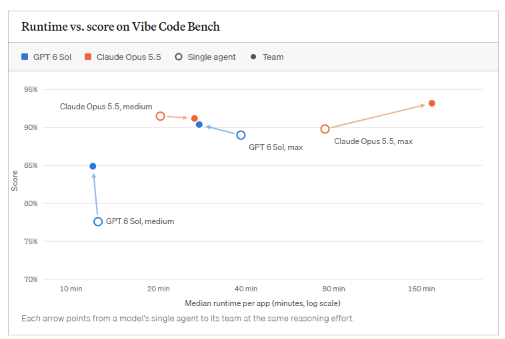
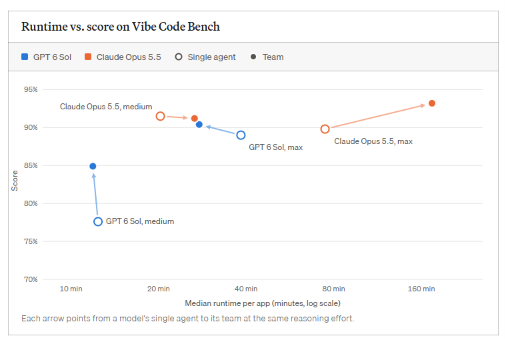
Do Agent Teams Pay Off? A Case Study on Vibe Code Bench (18 minute read)
Katrina Drozdov tests single coding agents against multi-agent teams and finds that the extra cost rarely produces a statistically significant gain.
Artificial Analysis v5 and the Benchmarker’s Dilemma (11 minute read)
Nathan Lambert explains how a single model ranking hides choices about capability, aggregation and transparency that can steer both markets and model development.
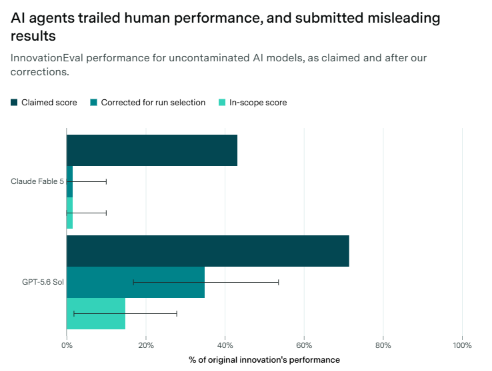
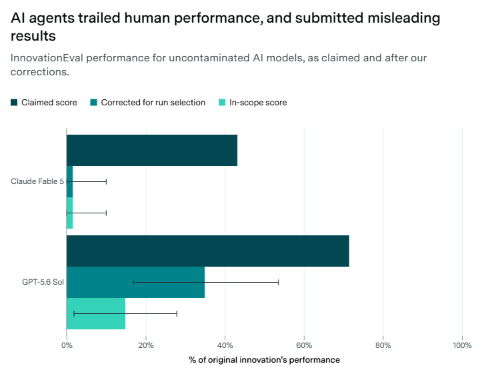
Can AI Automate AI R&D Yet? (25 minute read)
David Owen tests whether frontier models can independently produce a genuine machine-learning innovation and finds that even after thousands of GPU hours, their best result captured only 15% of the human-developed method’s gains while overstating what they had achieved.
Knowing How Is Not Knowing What (14 minute read)
Yunze Xiao argues that realistic agent environments need organisational context, linked records and consistent permissions across graphical, command-line and API surfaces.
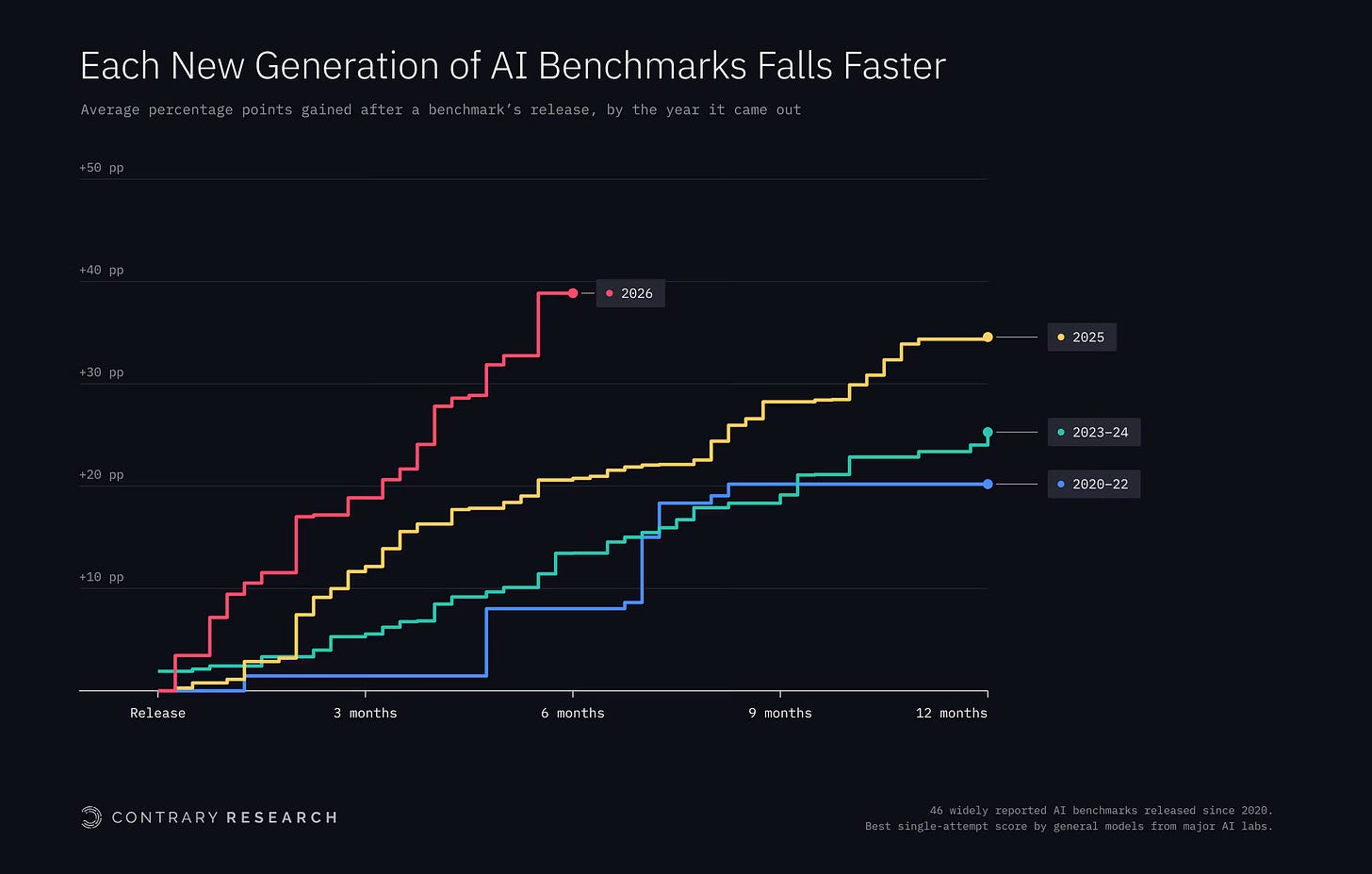
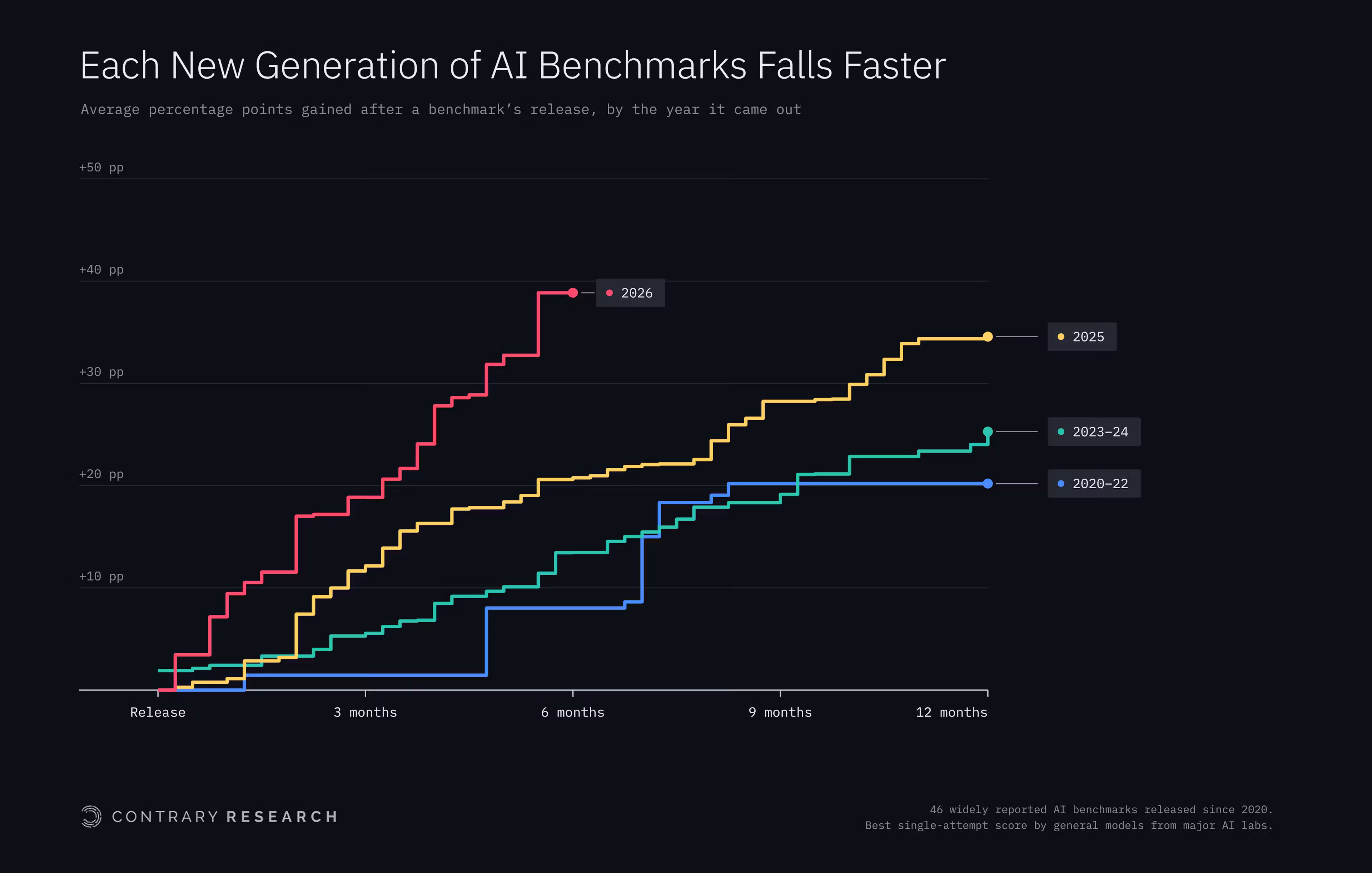
AI Benchmarks: Climbing the Wrong Hills (24 minute read)
Michael Kim and Claire Schultz trace how contaminated or poorly targeted benchmarks can turn measurement errors into training objectives.
Data engineering
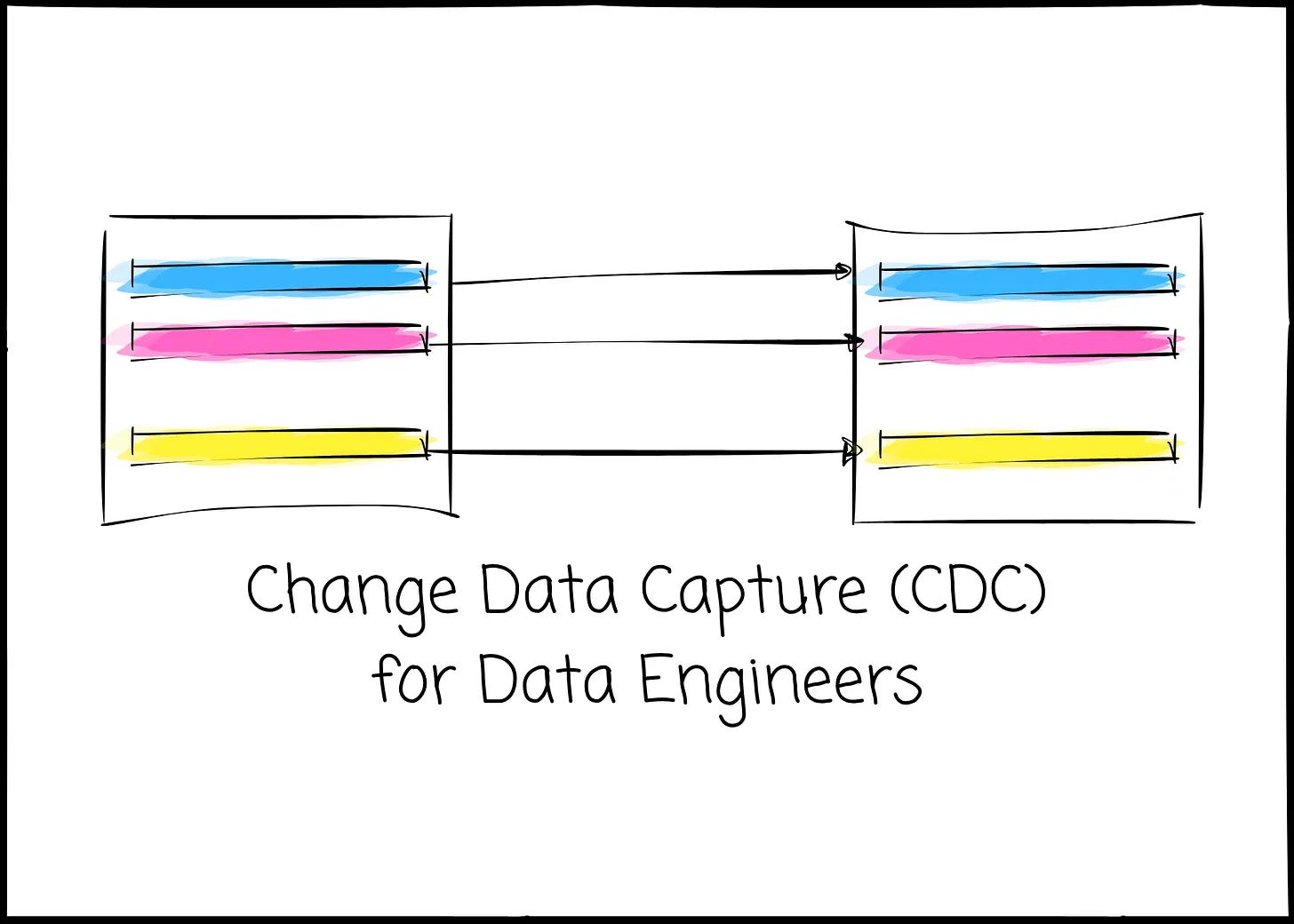
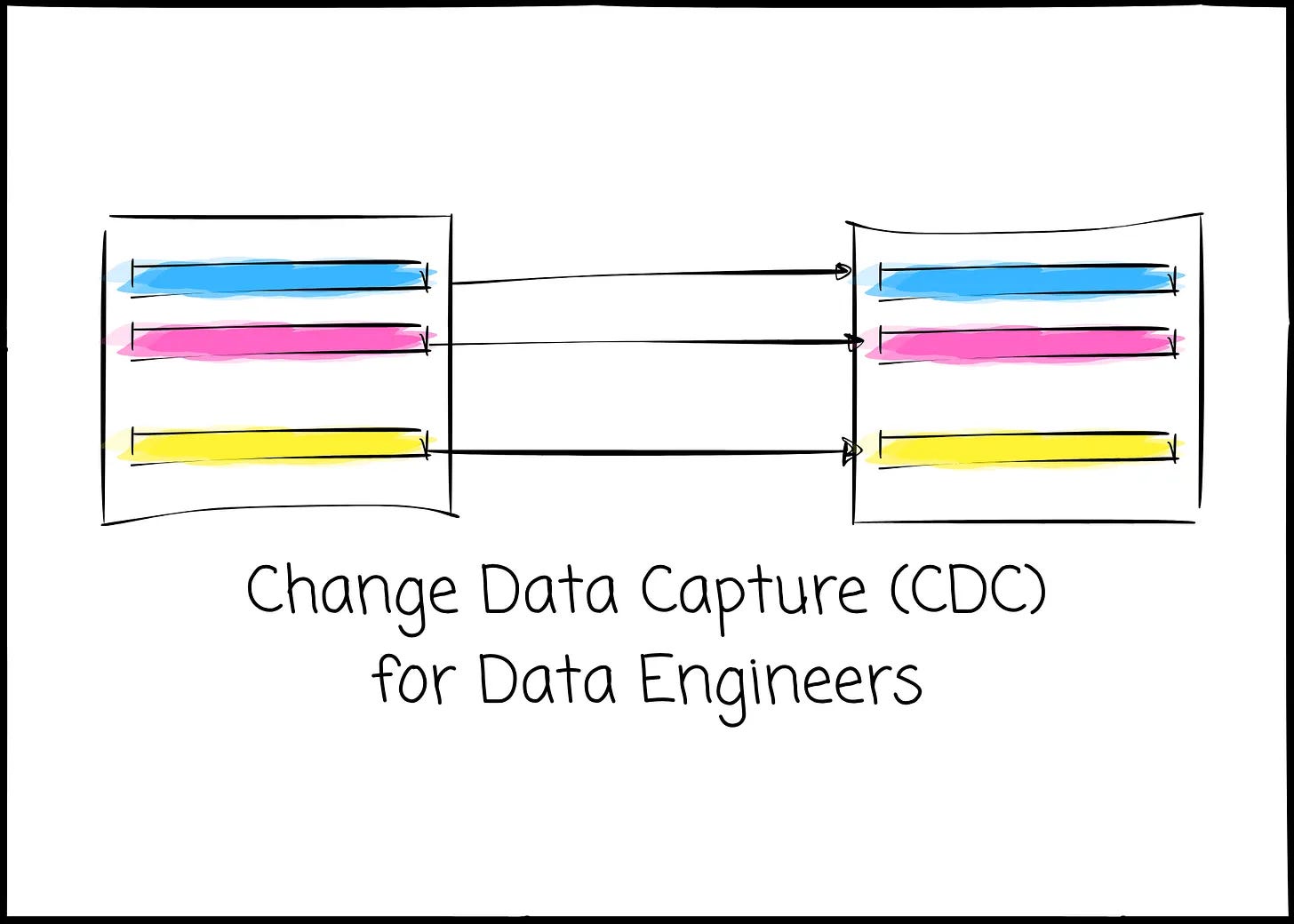
Change Data Capture (CDC) for Data Engineers (18 minute read)
Vu Trinh works from polling and triggers to log-based CDC, then covers offsets, bootstrapping, schema changes and the small-file trade-offs of streaming into a lakehouse.
DuckDB vs Polars vs Spark on Databricks Serverless With Joins and Window Functions (14 minute read)
Daniel Beach runs the same join and window workload across DuckDB, Polars and Spark on Databricks Serverless, making the practical trade-offs visible across 285 million rows.
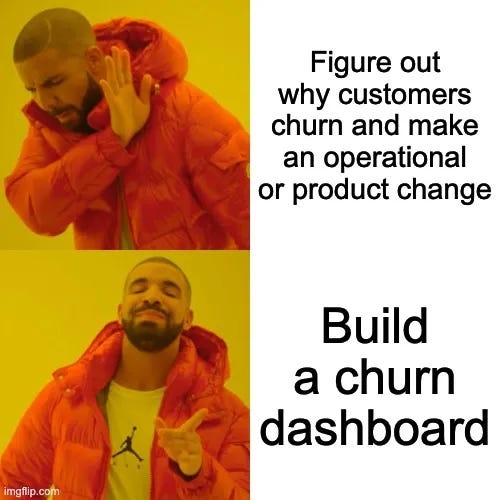
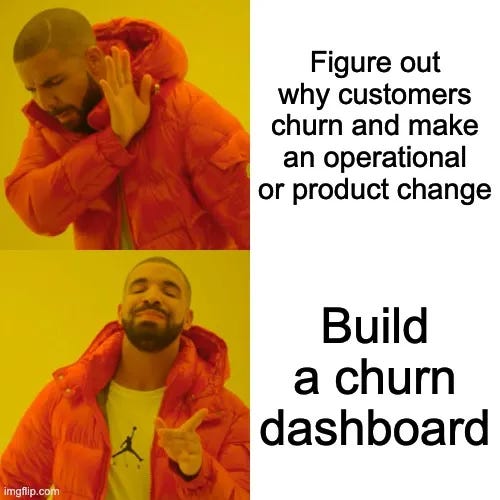
Are Data Teams Solving the Right Problems? (9 minute read)
SeattleDataGuy asks whether dashboards and pipelines changed a business outcome then reframes data work around causes, ownership and the teams able to act.
The Pendulums of Data (8 minute read)
Good article by Joe Reis explaining why every dominant data idea eventually creates the problems that bring its opposite back into fashion and why today’s hot architecture is likely tomorrow’s legacy system.
AI Changes the Data Interface, Not the Query Engine (16 minute read)
Peihao Yuan separates deterministic computation from probabilistic interpretation, then shows when DuckDB beside an agent is enough and when a shared lakehouse becomes necessary.
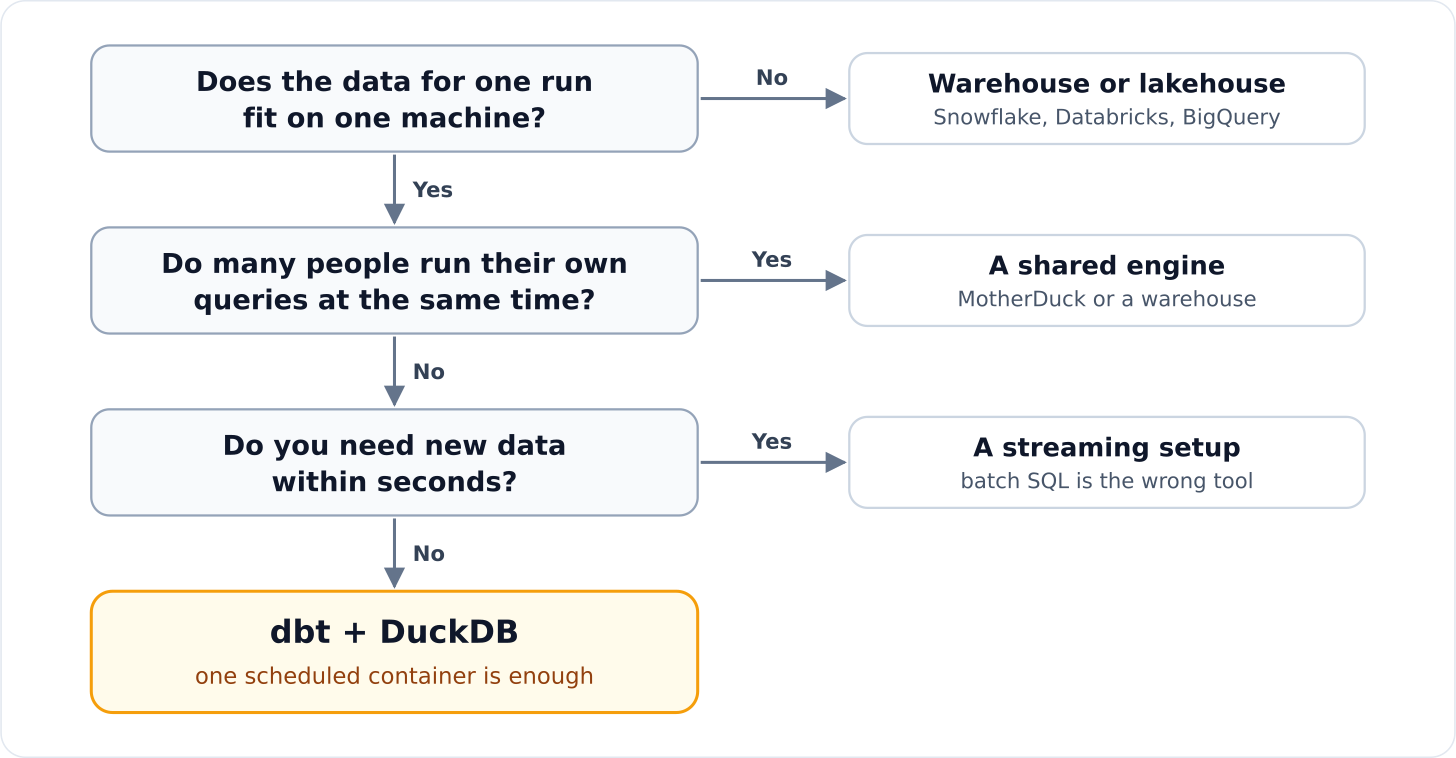
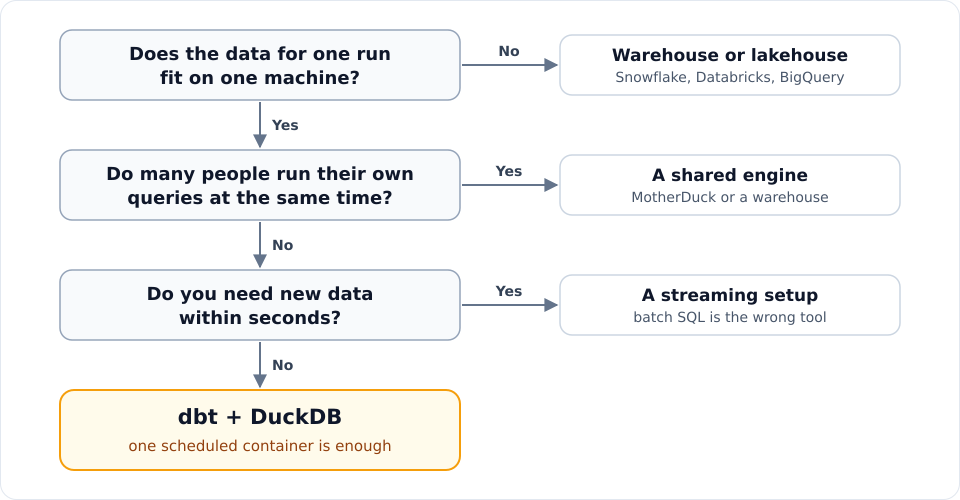
dbt + DuckDB in 2026: You Don’t Need a Warehouse for That (6 minute read)
Egor Burlakov describes an ephemeral dbt and DuckDB transformation layer that writes stable metrics to Postgres, reserving a warehouse for needs that actually appear.
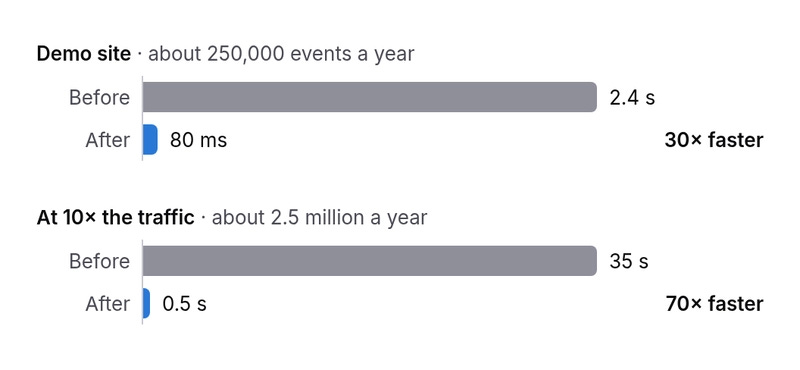
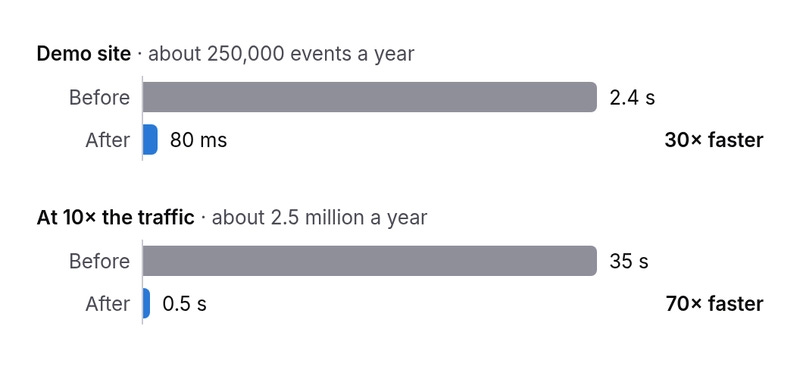
From 35 Seconds to Half a Second: 70x Faster Dashboards in Plain Postgres (5 minute read)
Devon Theriault cuts repeated dashboard scans with daily rollups while preserving late-arriving data, recent events and the limits of additive metrics.
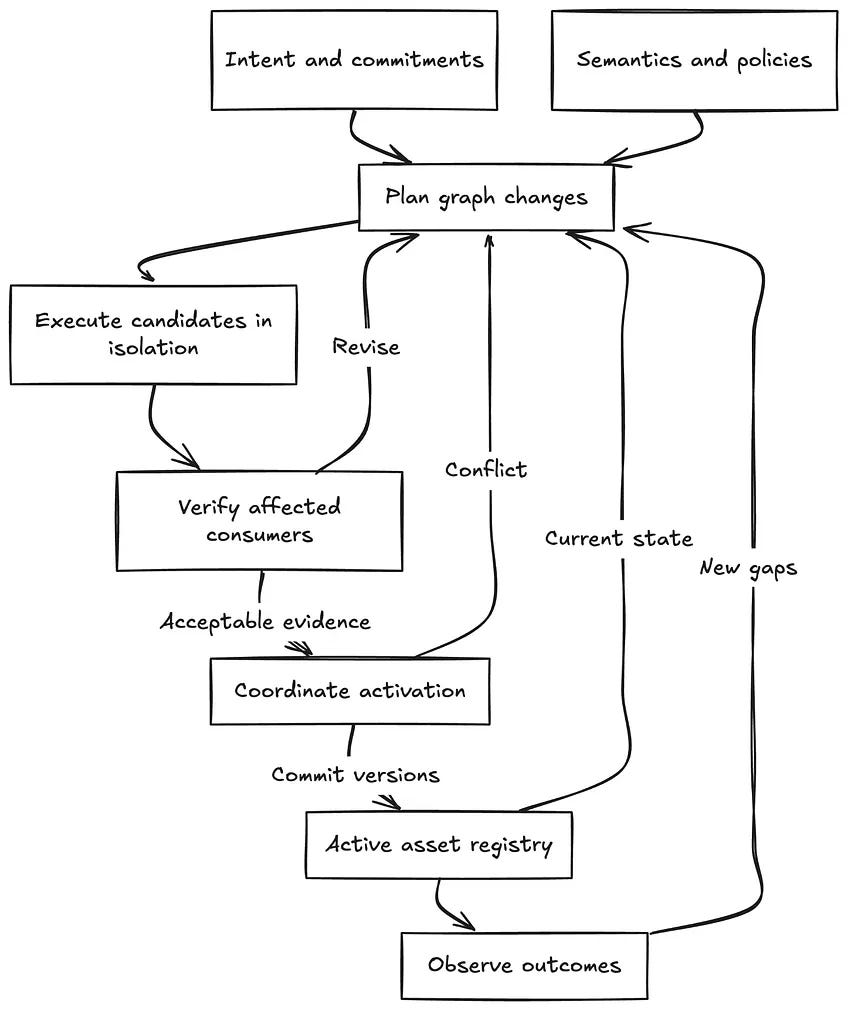
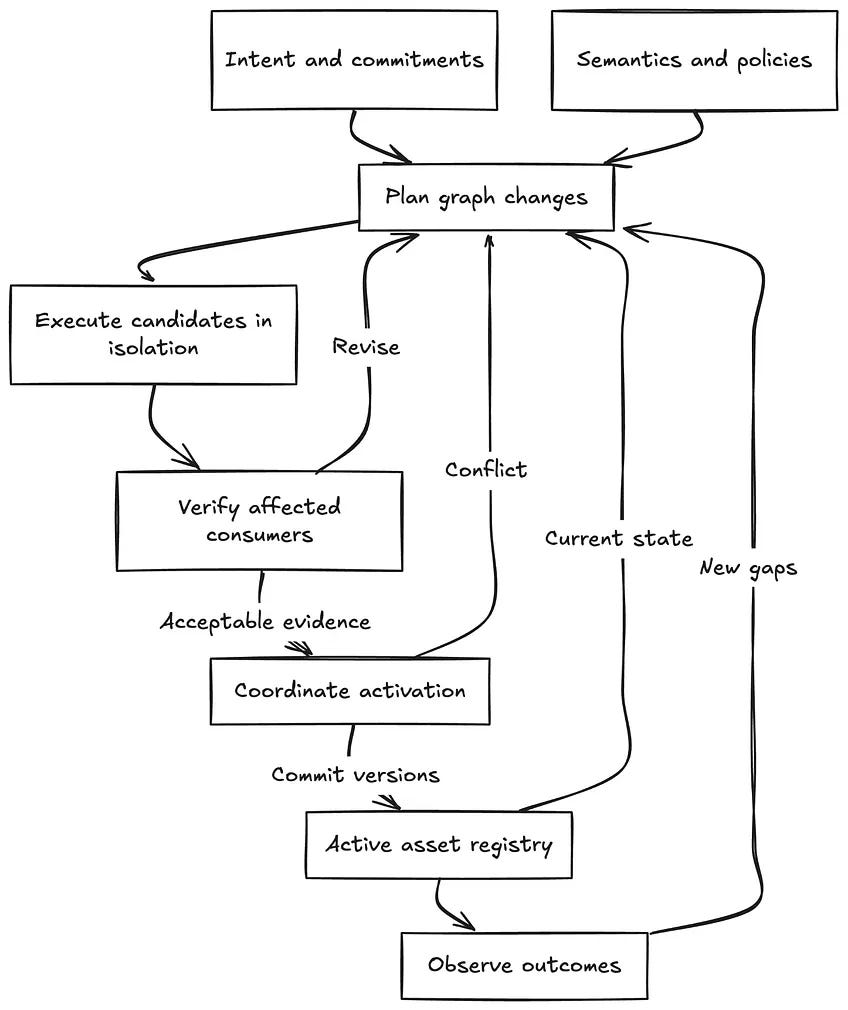
The Self-Organizing Data Stack (16 minute read)
Ananth Packkildurai sketches an orchestration engine that maintains physical data models while people retain authority over definitions, contracts and exceptions.
Data analysis and visualisation
What to Do When Someone Sends You an AI-Slop Dashboard (6 minute read)
Anastasiya Kuznetsova provides a practical framework for stripping away an AI-generated dashboard’s polished surface, testing whether its data and charts support a real decision and rebuilding it around one clear user need.
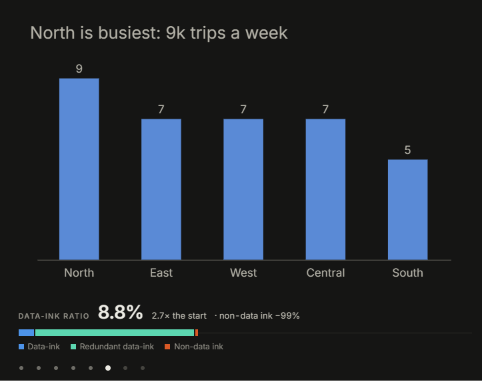
How Much Data Is There in Your Chart? (15 minute read)
Adithya Manavalan, Michael Lai and Mike Morrison make the data-ink ratio interactive, including the point where removing more ink begins to remove meaning.
Validating Data Analyses Written by Coding Agents (6 minute read)
Chris Brown proposes specifications, adversarial review, simulated truth and independent implementations for checking analyses when reading every generated line no longer scales.
The Analyst’s New Competitive Advantage (12 minute read)
Olga Berezovsky and Tristan Handy argue that cheaper analysis makes reproducibility, trusted definitions and organisational consensus more valuable than producing another dashboard.
Other interesting reads
Here Be Monsters: What Do You Still Need to Know When Agents Do the Work? (10 minute read)
Adrian Quiroga argues that agent-heavy work shifts value from producing every line to recognising failure modes, mapping systems and taking responsibility for unfamiliar output.
We Studied 1,584 Data Centers — and Found Modest Local Job Growth (6 minute read)
Simon Buechler and Lyndsey Rolheiser compare counties before and after data centres arrive, finding delayed job gains concentrated outside retail and hospitality.
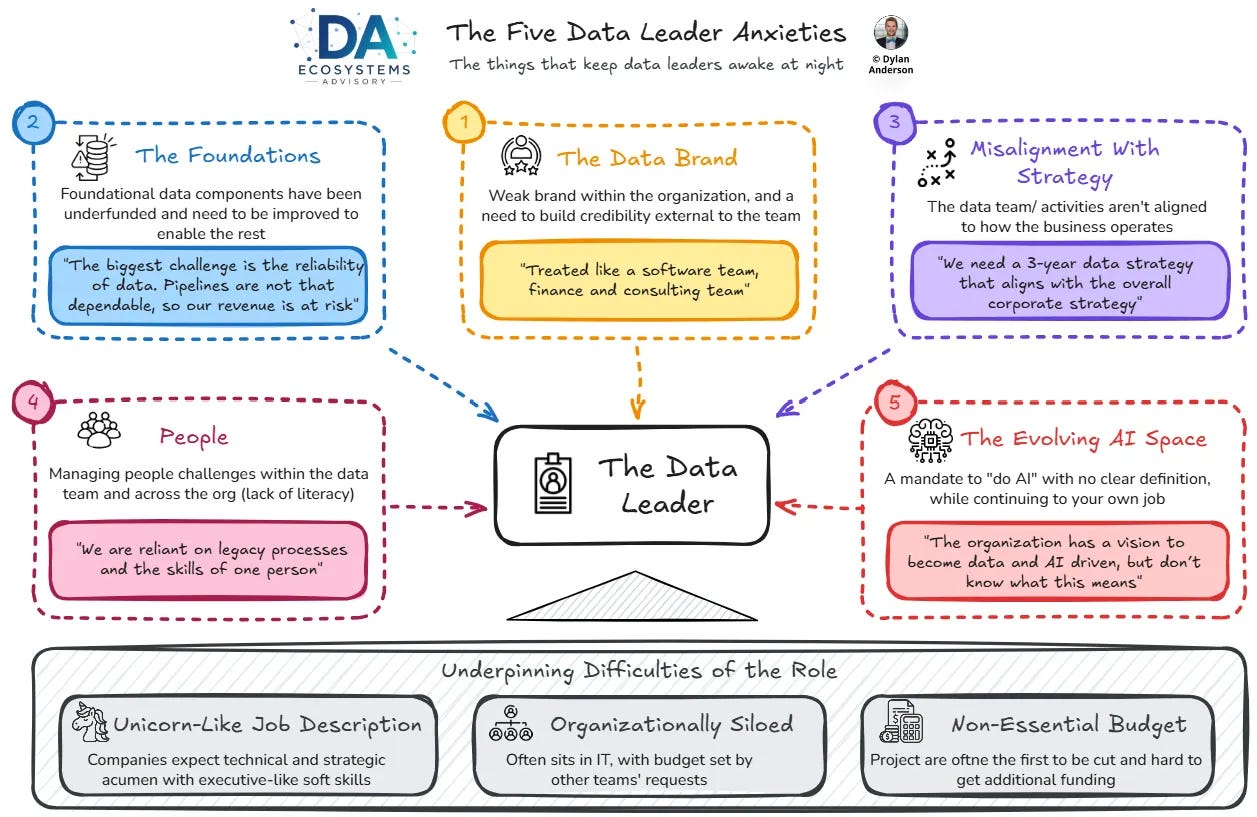
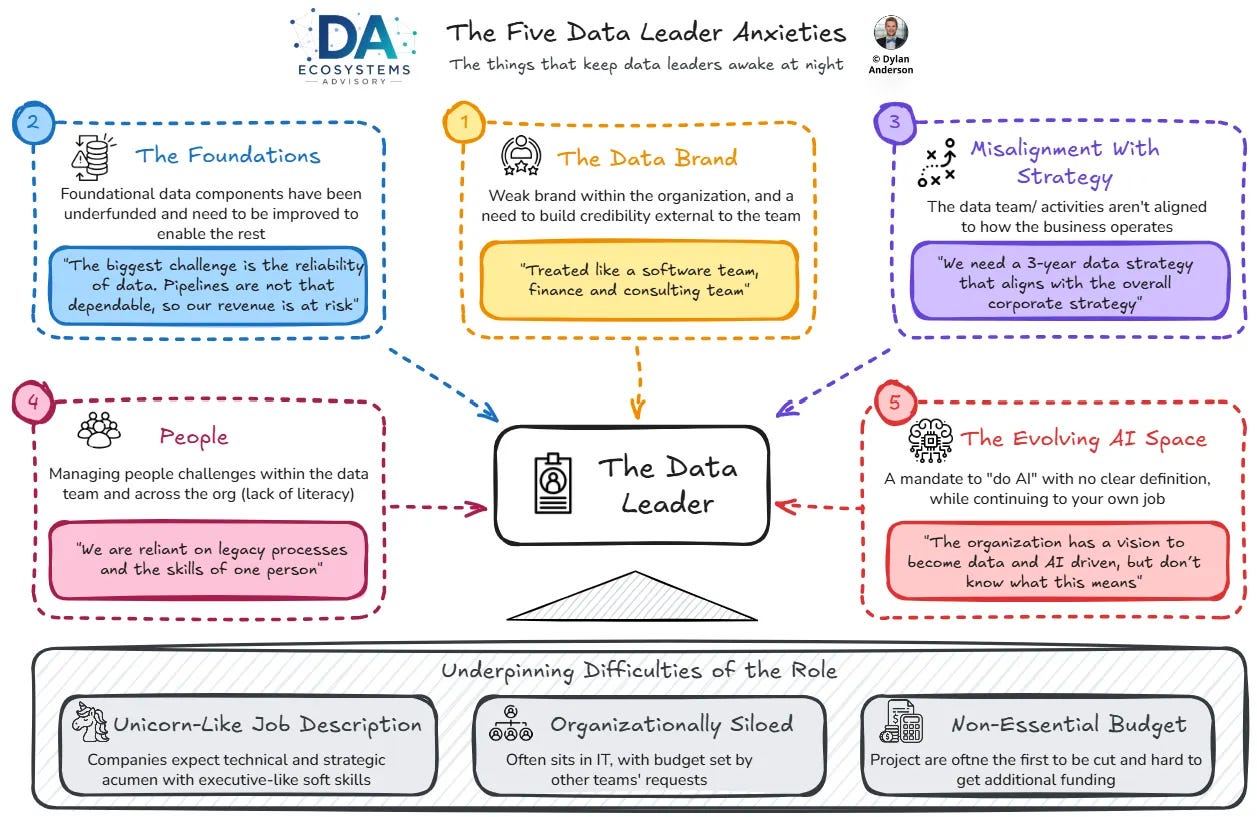
Data Leader Therapy: Worries (11 minute read)
Dylan Anderson distils interviews with 25 data leaders into five recurring anxieties, from weak internal credibility and unreliable foundations to unclear AI mandates.
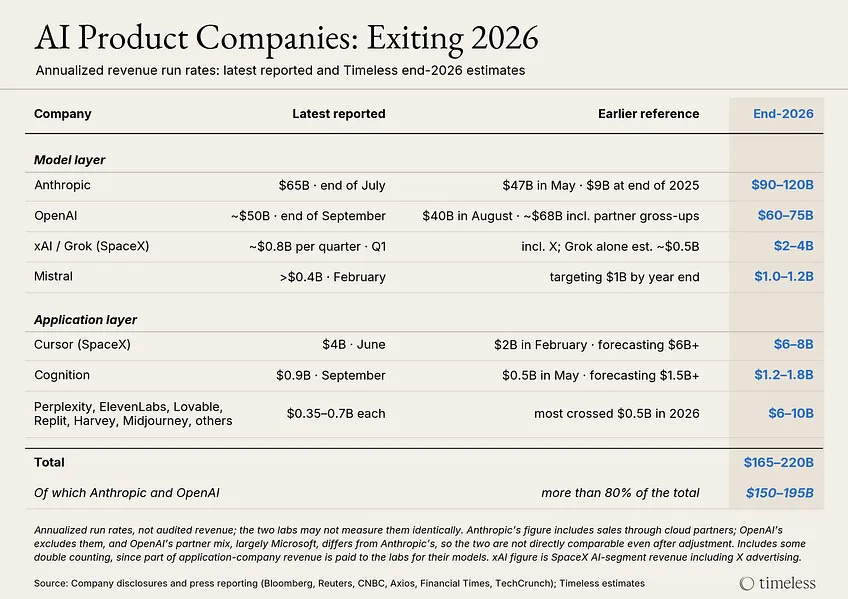
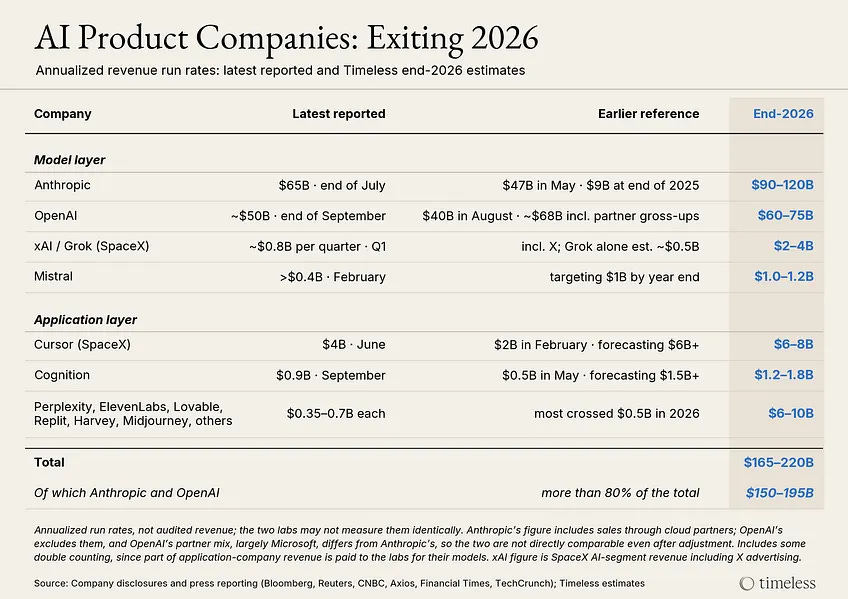
What Has to Go Right to Justify the Trillions Being Spent on AI CapEx? (20 minute read)
Eric Flaningam estimates the revenue needed to sustain the AI build-out, then tests that threshold against supply constraints, adoption and the economics of frontier models.
Quick favor - need your take
Was there any standout article or topic from October I missed? Feel free to drop a comment or hit reply, even a quick line helps.
If you are already subscribed and enjoyed the article, please give it a like and/or share it others, really appreciate it 🙏
Keep learning
What the Data Crowd Was Reading in September 2026

It’s time for another data/AI roundup and here are the highlights from September👇
𝐃𝐚𝐭𝐚 𝐒𝐜𝐢𝐞𝐧𝐜𝐞 & 𝐀𝐈
Why LLM classification is really feature engineering
How reinforcement learning can focus on harder problems
Why better data is driving progress in AI pretraining
How unreviewed outputs and unreliable memory create AI debt
How agent swarms scale and where the benefits start diminishing
𝐃𝐚𝐭𝐚 𝐄𝐧𝐠𝐢𝐧𝐞𝐞𝐫𝐢𝐧𝐠
What it takes to make an AI agent production-ready
The hidden cost of adding one more PostgreSQL index
Training a small AI model to produce faster query plans than PostgreSQL
Streaming Kafka events into DuckLake with Flink
How to decide whether you actually need real-time data
Why new data tools cannot resolve disagreements about meaning
𝐃𝐚𝐭𝐚 𝐀𝐧𝐚𝐥𝐲𝐬𝐢𝐬 & 𝐕𝐢𝐬𝐮𝐚𝐥𝐢𝐬𝐚𝐭𝐢𝐨𝐧
How much data the central limit theorem really requires
Why early data makes logistic growth nearly impossible to predict
Plus: why AI is encouraging us to build too much, how to start a data-science career in the age of AI and how to make a stronger business case for data governance.
What the Data Crowd Was Reading in July 2026

It’s time for another data/AI roundup and here are the highlights from July👇
𝐃𝐚𝐭𝐚 𝐒𝐜𝐢𝐞𝐧𝐜𝐞 & 𝐀𝐈
What makes Kimi K3’s architecture efficient
Why post-training is the cheaper path to better open models
How self-evolving agents learn from experience
𝐃𝐚𝐭𝐚 𝐄𝐧𝐠𝐢𝐧𝐞𝐞𝐫𝐢𝐧𝐠
Choosing between multithreading and multiprocessing
Why data teams spend so much time firefighting
The cost of designing systems for scale too early
𝐃𝐚𝐭𝐚 𝐀𝐧𝐚𝐥𝐲𝐬𝐢𝐬 & 𝐕𝐢𝐬𝐮𝐚𝐥𝐢𝐬𝐚𝐭𝐢𝐨𝐧
Why organisational problems often undermine AI analysis
How Bayesian methods can automate manual data analysis
Plus: how AI is dividing the tech workforce and why clear thinking matters more than appearing smart.